Choosing a credit card without a framework leads to picking based on flashy marketing rather than genuine value. A systematic comparison process ensures you find a card that actually benefits your specific spending patterns and financial habits.
Step 1: Know Your Credit Score
Credit card offerings are tiered by credit score. There's no point evaluating premium rewards cards if you won't qualify for them.
- Excellent (750+): Full range of products including premium travel cards
- Good (670–749): Most standard rewards cards and many premium options
- Fair (580–669): Basic cards, secured cards, and some cash back cards
- Poor (below 580): Secured cards designed to build credit
Step 2: Define Your Primary Goal
Every good card comparison starts with your objective:
- Maximize rewards on everyday spending
- Travel benefits — lounge access, travel credits, no foreign fees
- Balance transfer — 0% intro APR to pay off existing debt
- Building credit — simple, no-fee product with consistent reporting
- Business expenses — higher limits and expense management tools
Step 3: Evaluate the Key Features
Annual Percentage Rate (APR)
If you carry a balance, APR is the most important number. For balance transfer cards, look for the length of the 0% period and the rate after it ends.
Annual Fee
Run the math: add up the value of all benefits you'll actually use and compare to the fee. A $550 annual fee card that gives you a $300 travel credit and lounge access you'll use 10 times effectively costs you $0 (or less).
Welcome Bonus
Sign-up bonuses vary enormously in value. Calculate the value based on your redemption method — cash back at face value, or points at your typical redemption value.
Ongoing Reward Rates
Match reward categories to your actual spending. A card with 3x on dining offers little advantage if you rarely eat out.
Foreign Transaction Fees
If you travel internationally or shop from foreign sites, any card with a foreign transaction fee (typically 3%) is effectively paying for itself in reverse.
Step 4: Read the Fine Print
- What counts as a qualifying purchase for the welcome bonus?
- Do reward points expire?
- Are there earning caps on bonus categories?
- What is the penalty APR if you miss a payment?
Recommended for You
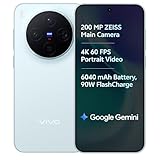
vivo X300 5G
Dimensity 9500 · ZEISS Camera · 90W Fast Charge
- ZEISS optics camera
- Dimensity 9500 chip
- 90W rapid charging
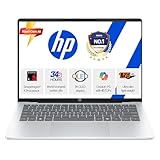
HP Next-Gen AI Laptop
Latest Gen Processor · Backlit KB · Lightweight
- AI-powered performance
- Backlit keyboard
- Ultra-lightweight build
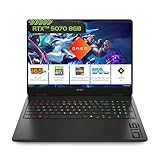
HP Gaming Laptop
RTX Graphics · High Refresh Rate · 16GB RAM
- RTX graphics card
- High refresh display
- 16GB DDR5 RAM
Disclosure: As an Amazon Associate, we may earn from qualifying purchases. Prices may vary.